
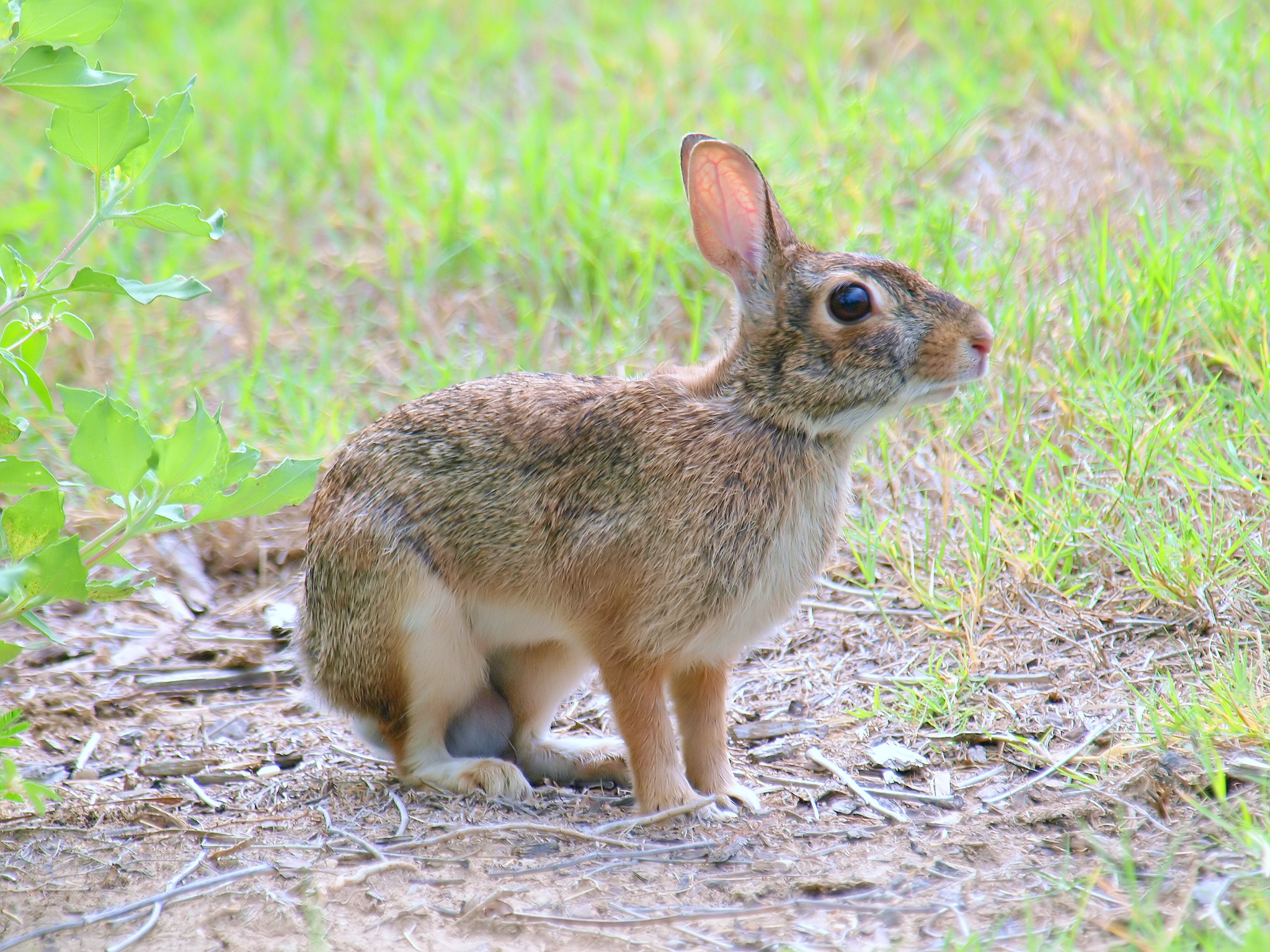
Eastern Cottontail Orphan Care
Temperature, hydration, and feeding protocols for nestling and juvenile cottontails through release preparation.
Read full guide
Design System
A sage-toned design language for a wildlife rehabilitation wiki — built with semantic tokens, accessible components, and a calm, evidence-first aesthetic.
01 — Overview
Juniper's visual identity draws from forest understory greens, warm terracotta accents, and soft sage backgrounds. The system prioritizes readability for long-form care guides while keeping navigation and actions clear.
Low-chroma sage backgrounds reduce visual noise so rehabilitators can focus on critical care information.
Every color maps to a role — background, foreground, primary, muted — enabling automatic light/dark adaptation.
Monospace body copy signals technical precision. Disclaimers and callouts use high-contrast secondary surfaces.
Radix primitives + CVA variants keep components accessible and consistent across wiki, directory, and shop flows.
02 — Color
Colors are defined in OKLCH for perceptually uniform lightness across hues. Semantic tokens live in CSS custom properties and map to Tailwind utilities via @theme inline.
03 — Typography
The Juniper wordmark is an image asset (logo-light.png / logo-dark.png), not a web font — no download required. UI headings use system sans; body copy uses monospace.
04 — Tokens
Spacing, radius, and shadow tokens ensure consistent rhythm across cards, forms, and navigation. Radius derives from a single --radius base of 0.625rem (10px).
| Token | Value | Preview | Tailwind |
|---|---|---|---|
--radius-sm |
6px | rounded-sm |
|
--radius-md |
8px | rounded-md |
|
--radius |
10px | rounded-lg |
|
--radius-xl |
14px | rounded-xl |
|
| — | full | rounded-full |
| Token | Value | Common Use |
|---|---|---|
--space-1 | 4px | Icon gaps, tight padding |
--space-2 | 8px | Chip padding, inline gaps |
--space-3 | 12px | Form field spacing |
--space-4 | 16px | Card padding, grid gaps |
--space-6 | 24px | Section inner padding |
--space-8 | 32px | Section headings margin |
--space-10 | 40px | Page section gaps |
--space-16 | 64px | Hero vertical padding |
05 — Components
Built on Radix UI primitives with class-variance-authority for variants. Components use semantic tokens and support light/dark modes out of the box.
This resource is for licensed wildlife rehabilitators. Always consult local regulations and a veterinarian before administering care.
Full disclaimer →
Temperature, hydration, and feeding protocols for nestling and juvenile cottontails through release preparation.
Read full guide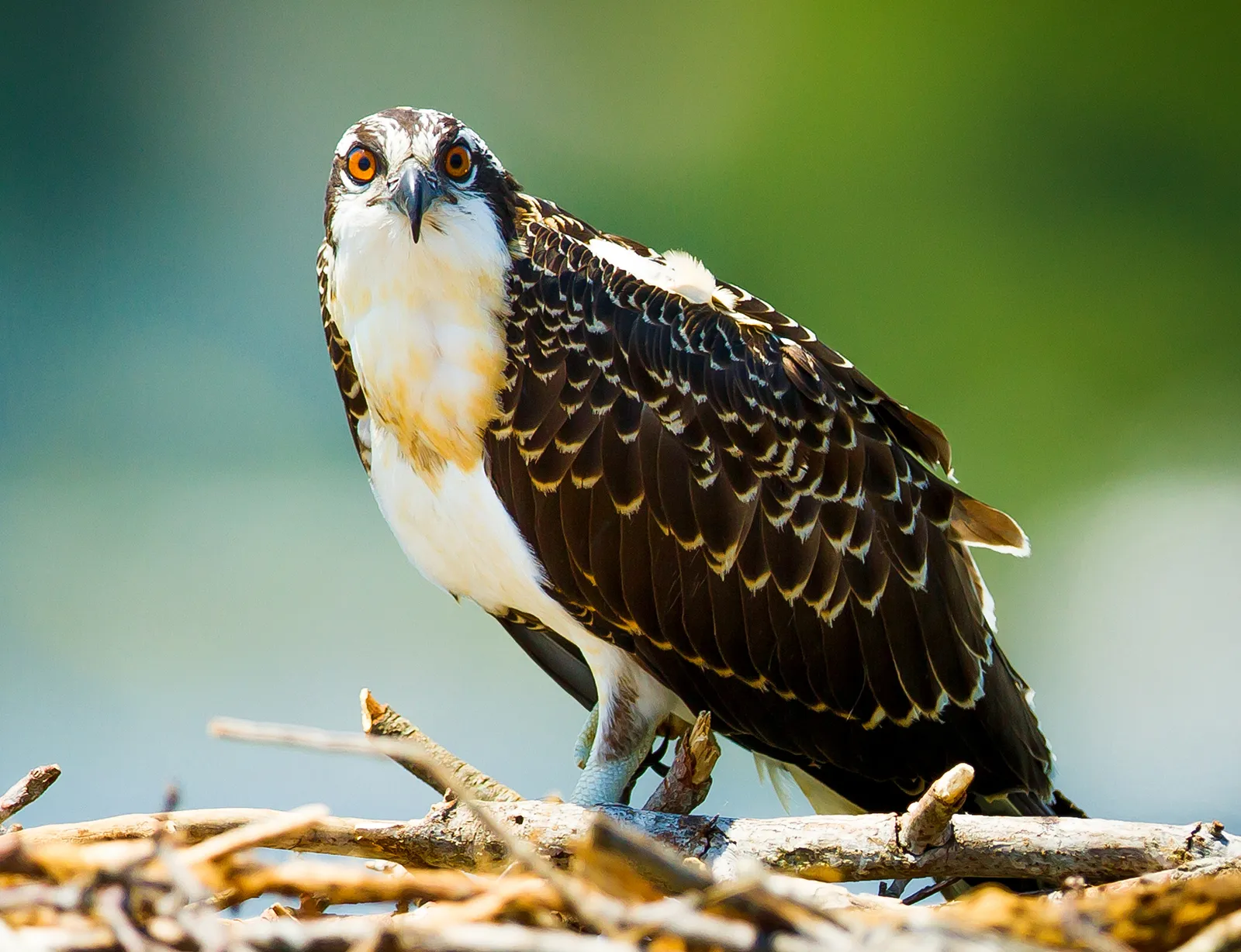
Initial evaluation checklist for injured raptors including fracture assessment, emaciation scoring, and stabilization.
Read full guide06 — Implementation
The design system is implemented as CSS custom properties consumed by Tailwind v4, with React components composed from accessible Radix primitives.